
Personalized Wedding Menus Start With What Feels Like You
We treat weddings a lot like brand activations.
Just replace “brand” with “couple.”
Every couple has small, specific things that make them them. A restaurant they have loved for years. A drink that is always in someone’s hand. A dish that tastes like home. A late-night bite that feels more honest than a formal plated course ever could.
That is where the best personalized wedding menus usually start.
Not with a Pinterest board. Not with a trend. Not with what everyone else is serving.
With the details that make a guest take one bite and think, of course they chose this.
No monograms required.
Start With the Favorites
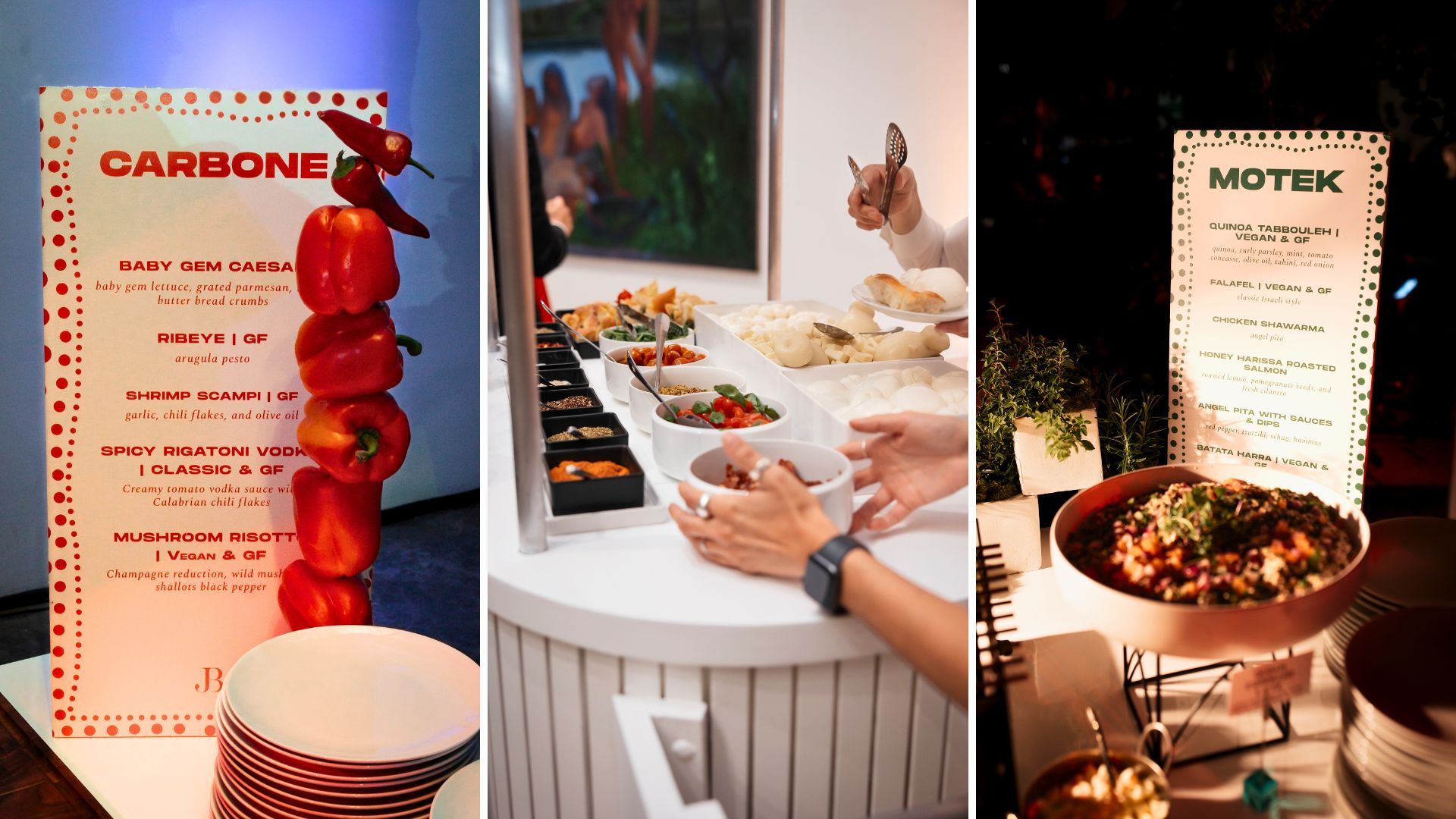
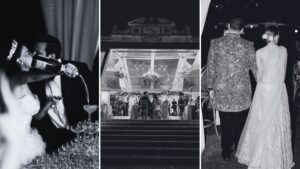
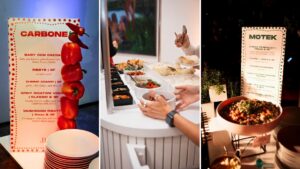
For one wedding at the Rubell Museum, the couple gave us their go-to restaurants: Motek, Joe’s Stone Crab, and Carbone.
So we built the food experience around them.
Not by copying a menu, but by translating those references into a wedding dinner that could work for 200 guests. Familiar dishes, reimagined through H&C’s lens, served in a way that made sense for the room, the timing, and the flow of the night.
Even the visual direction followed the references. Carbone’s station went red. Motek’s station went green and herby.
It was personal without needing to be explained.
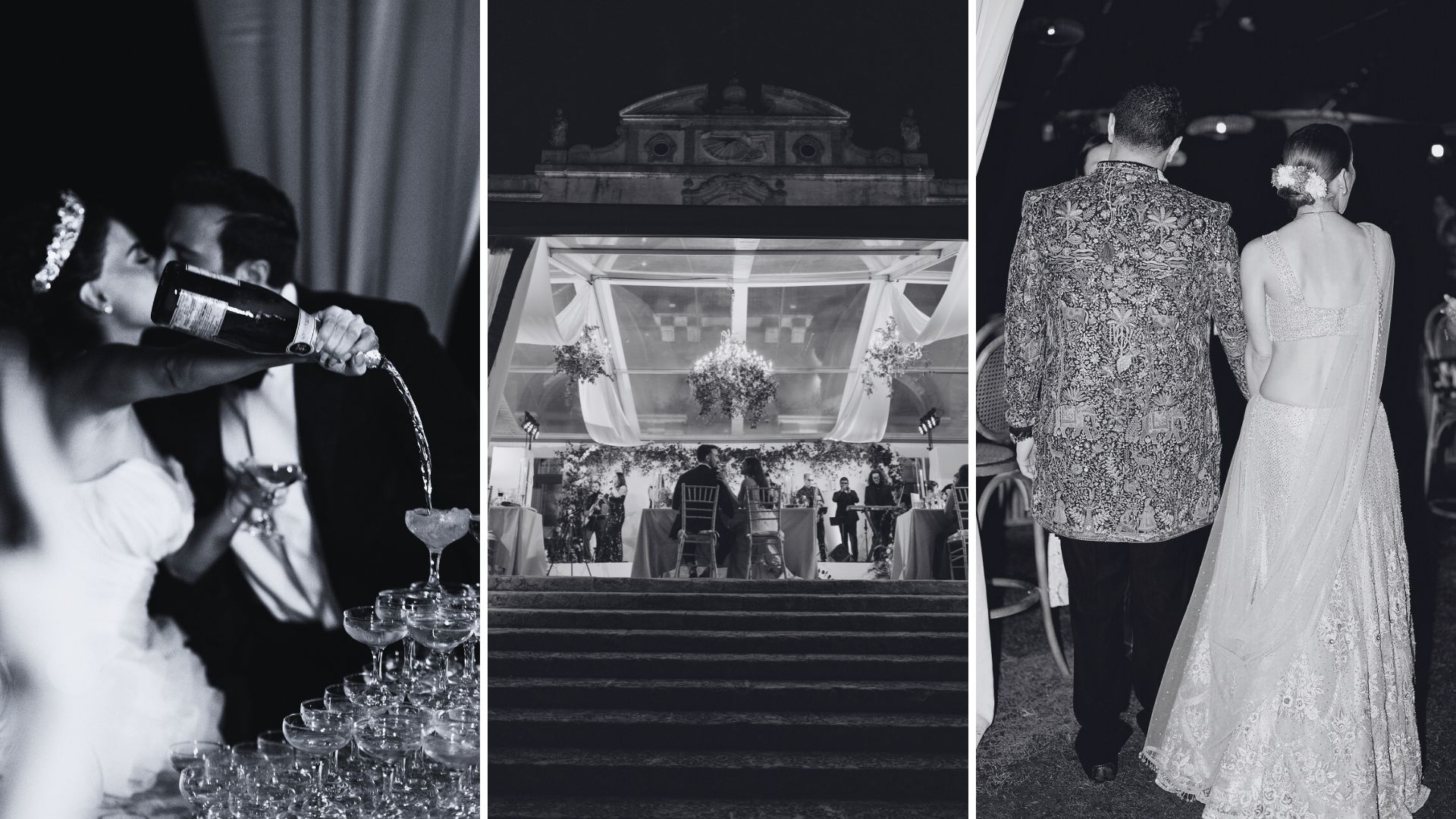
At another wedding at Vizcaya, the groom’s one request was Coors Light, because that is what he actually drinks. So we served it right after the ceremony.
Simple. Specific. Perfect.
Nobody needed convincing. It belonged there because it was true.
That is the thing about personalization. It does not always need to be elevated to be meaningful. Sometimes the most memorable detail is the one that feels the most honest.
Leave Room for the Discoveries
Some of the best menu decisions do not happen in the first proposal.
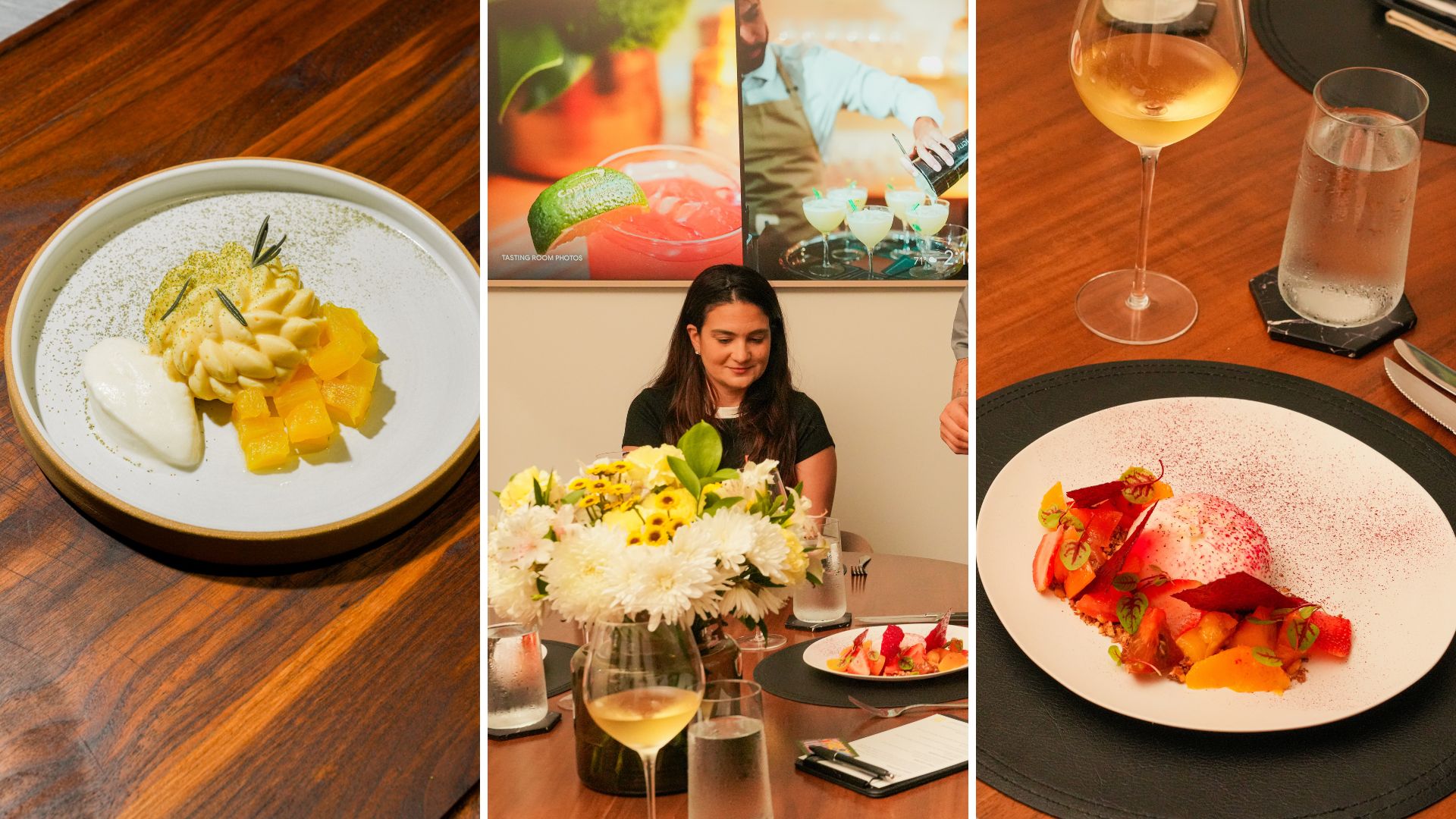
They happen at the tasting.
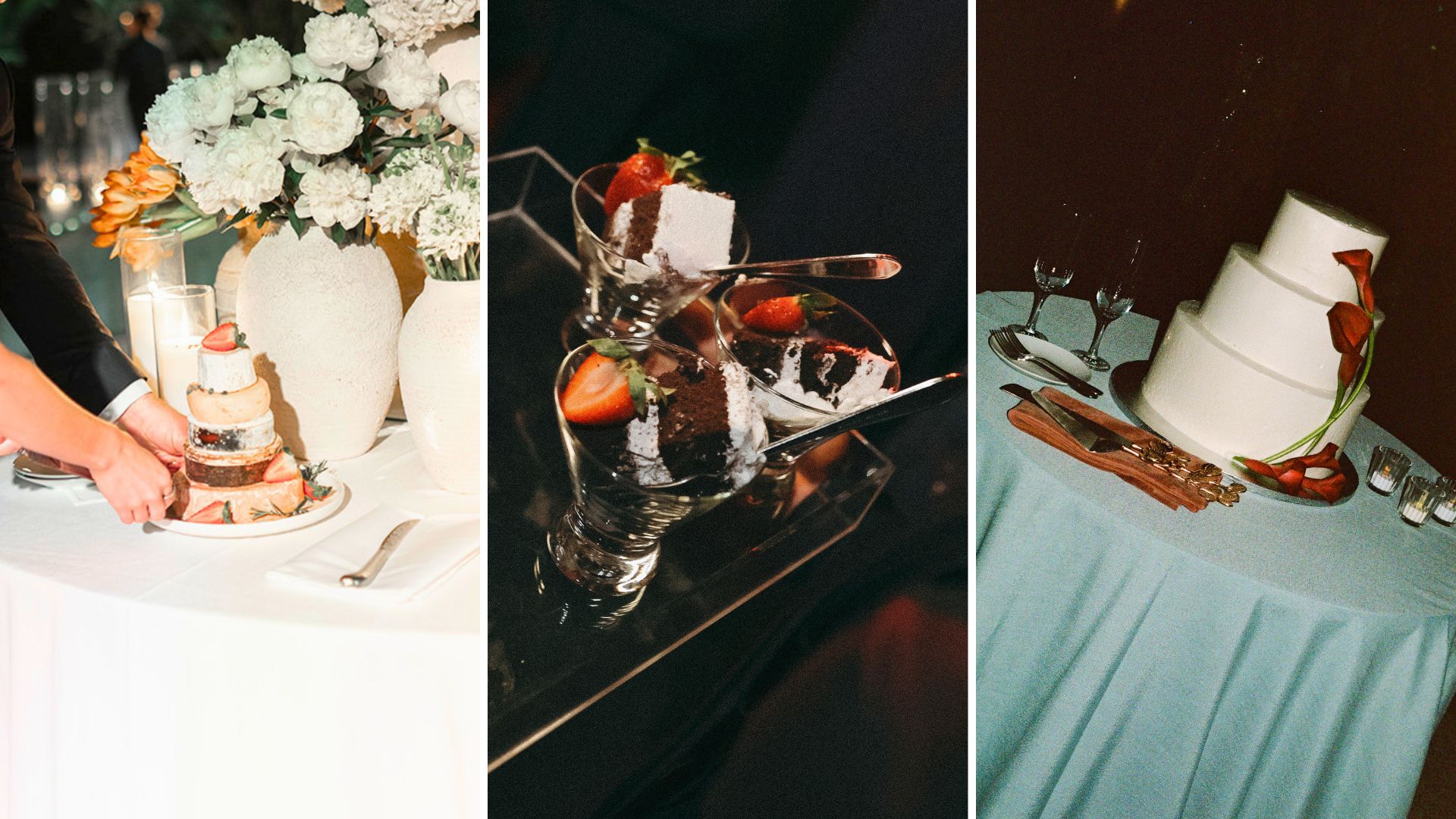
At a wedding at The Sacred Space, the bride loved cheese — specifically Jasper Hill Farm. So instead of a traditional cake moment, we stacked cheese wheels in place of a cake.
During that same tasting, she tried our gluten-free chocolate chip cookie and said it was the best she had ever had.
So it made it into the wedding.
That same day.
Those are the moments we pay attention to. The offhand comment. The dish someone lights up over. The thing that suddenly feels less like a menu item and more like a memory.
Some of the strongest ideas are spontaneous. They show up at the tasting, and they usually come from the heart — or the inner child.
Both count.
Think Beyond the Dish
Sometimes it is about changing the format.
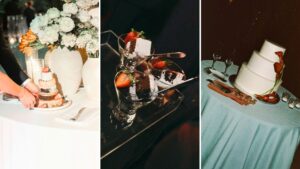
At a wedding at the Flagler Museum, cake was served later in the night, when guests were already dancing with drinks in hand. Plates and forks would have meant stopping the party.
So we served the cake in martini glasses instead.
Same cake. Different format.
And a much better fit for the moment.
That is the kind of decision that makes an event feel seamless. Not because guests notice the logistics, but because they do not have to. The food meets them exactly where they are in the night.
Blend the Cultures, Don’t Separate Them
For one couple with Dominican and Japanese roots, the goal was not to divide dinner into two separate cultural stations.
It was to bring both families into one menu.
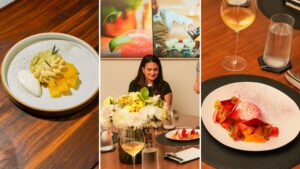
Sofrito butter next to tostones. A Caesar with lemongrass miso. Churrasco with truffle soy. A Japanese hotpot with hondashi broth.
Two families, one plate.
And it all made sense.
That is the difference between theme and integration. A truly personalized wedding menu does not force cultures to sit next to each other politely. It lets them speak to each other.
When done well, the menu becomes part of the couple’s story without turning dinner into a performance.
____________________________________________________________________________________
So if you are planning a wedding and already know the answer, the restaurant, the drink, the dish, the late-night bite, the flavor that feels like home, that is exactly where we would want to start.